

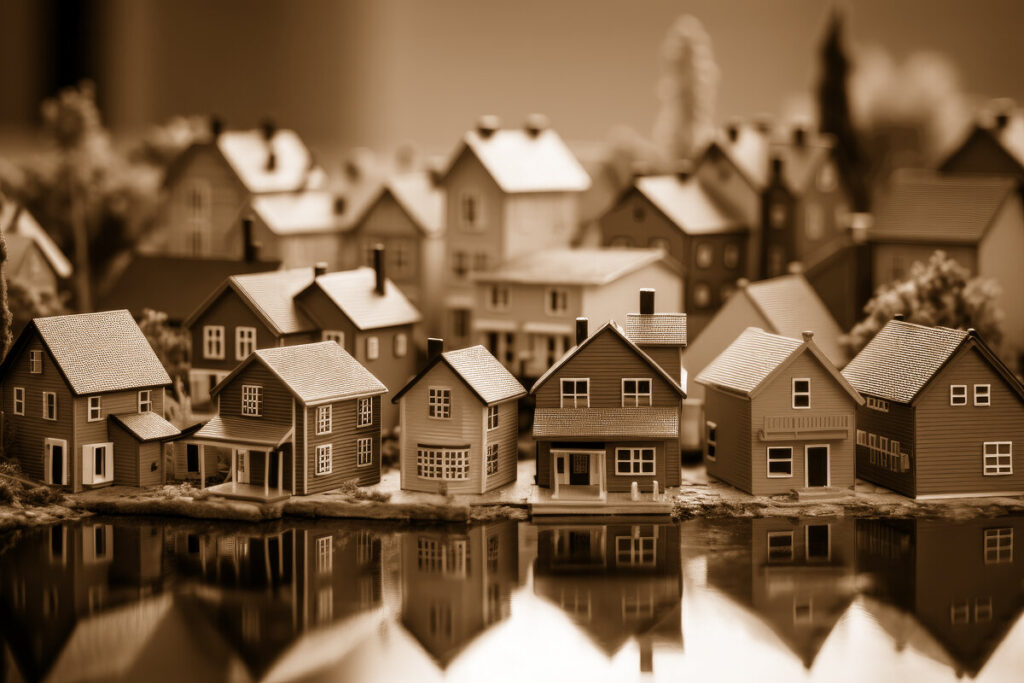
Nestled just off Manning Avenue, in the northwest corner of Elon, North Carolina, lies the Manning Crossing neighborhood—a community whose roots stretch deep into the town’s fabric. For locals and newcomers alike, Manning Crossing represents more than just a collection of well-maintained homes and tree-lined streets; it stands as a living tribute to the heritage, growth, and neighborly spirit that define Elon itself.
The Origins: Farmland and Foundations
Manning Crossing traces its name to the Manning family, among the original settlers and farmers in this part of Alamance County. In the late 19th and early 20th centuries, what is now a residential area was once productive farmland that supported the growing textile industry in nearby Burlington and provided goods to Elon College students and faculty. The area’s transformation began with the development surge after World War II, as Elon’s population swelled and the need for new housing grew.
How Manning Crossing Got Its Name
The “Manning” name comes from George H. Manning, a well-known landowner and civic advocate in early 20th-century Elon. Manning and his descendants were instrumental in supporting the town’s infrastructure, including advocating for road paving and better school resources. When the area north of Elon’s main campus was subdivided for family homes in the late 1970s and early 1980s, the neighborhood was officially christened “Manning Crossing” to honor this legacy.
The “Crossing” part of the name speaks to both the literal and figurative crossroads the area occupied—connecting older farmland traditions with the suburban lifestyle that emerged in the latter 20th century.
Key Historical Milestones
Through the decades, Manning Crossing has seen remarkable moments that shaped its character:
- 1978-1982: Subdivision Development
Streets like Cedar Crest Drive, Manning Avenue, and Willow Lane were carved from former pastureland, and the first homes rose quickly as families flocked to the neighborhood. Manning Crossing became popular for its proximity to Elon’s schools and town center.
- 1986: Community Park Established
The Manning Crossing Playground (now known as Cedar Crest Park) opened as a gathering spot for children and neighbors to mingle, barbecue, and enjoy the Carolina sunshine.
- 1990s: Neighborhood Association Forms
Residents organized to advocate for sidewalk improvements, street lighting, and better drainage—creating the friendly, walkable atmosphere that exists today.
- 2005: Celebration of Elon's Centenary
Manning Crossing joined town-wide festivities honoring the 100th anniversary of Elon’s incorporation. Historic walking tours highlighted the old railroad bed near Manning Avenue and stories from long-time residents.
- 2010s-Present: Renewal and Modernization
Many homes have seen tasteful renovations, blending classic brick architecture with modern comforts, reflecting the neighborhood’s balance of heritage and progress.
Notable Landmarks and Institutions
Despite its relatively intimate size, Manning Crossing features several spots of note:
- Cedar Crest Park
Known for its shaded playground, a loop walking trail, and the “Little Library” book exchange, Cedar Crest Park is a favorite community hub.
- Manning Avenue
As the neighborhood’s main artery, Manning Avenue is lined with mature oaks, historic homes, and corner gardens maintained by proud residents.
- The Old Stone Marker
At the intersection of Manning Avenue and Willow Lane, a weathered stone marker bears the Manning family name—an homage to the area’s agricultural roots.
- Nearby Churches and Schools
Many Manning Crossing families have long ties to Elon Community Church and the nearby Western Alamance schools, both vital to the area’s sense of connection.
A Neighborhood in Transition
Manning Crossing’s greatest strength is its adaptability. Once the domain of young families, the neighborhood now boasts a healthy mix of retirees, professionals, students, and multigenerational households. The homes, primarily ranch and split-level designs, feature spacious yards framed by flowering crepe myrtles and red maples. Wave to a neighbor gardening on a Saturday morning and you’ll feel instantly part of the fabric.
Several annual events keep the community spirit alive, including:
- Spring Plant Swap: Every April, gardeners trade seeds and stories at Cedar Crest Park.
- National Night Out: The neighborhood gathers each August for cookouts, games, and friendly competitions.
- Holiday Luminary Walk: The streets come alive in December with glowing luminaries and festive porch displays, inviting all to stroll and celebrate.
Why Manning Crossing Still Matters
Ask residents what makes Manning Crossing special, and you’ll hear about more than pretty homes and leafy boulevards. They’ll mention the history—how streets like Camden Terrace and Pineview Court still echo with the names and stories of the town’s founding families. They’ll talk about the pride taken in upholding traditions, like the annual fall picnic, or tending to the communal gardens.
Perhaps most importantly, Manning Crossing embodies the values Elon treasures: education, collaboration, and neighborly kindness. Its story reminds us that even as times change, a neighborhood can still offer roots, connection, and a true sense of home.
Whether you’re admiring the sunset over Cedar Crest Park or exchanging a wave with a neighbor along Manning Avenue, in Manning Crossing, you’re not just passing through history—you’re a part of it.